

Insulation reduces unwanted heat transfer into refrigerated spaces and controls condensation on cold pipes, ducts, equipment, and panels. When insulation is damaged, undersized, or poorly sealed, the refrigeration system must work harder to maintain temperature. Moisture can also enter the insulation and steadily weaken its thermal performance.
Mahesh Refrigeration Company supplies insulation materials and refrigeration products for cold rooms, commercial cooling systems, and air-conditioning applications. Selecting insulation requires more than matching the pipe diameter; thickness, thermal properties, moisture resistance, and installation conditions must also be considered.
Where Refrigeration Insulation Is Required
Insulation may be installed on:
- Refrigerant suction lines
- Chilled-water pipes
- Drain lines
- Air ducts
- Cold room walls and ceilings
- Cold room doors
- Equipment connections
- Valves and pipe fittings
Each area presents different installation challenges. Straight pipe sections may be easy to cover, while valves, bends, joints, hangers, and equipment connections require careful sealing to prevent thermal gaps.
Common Insulation Material Options
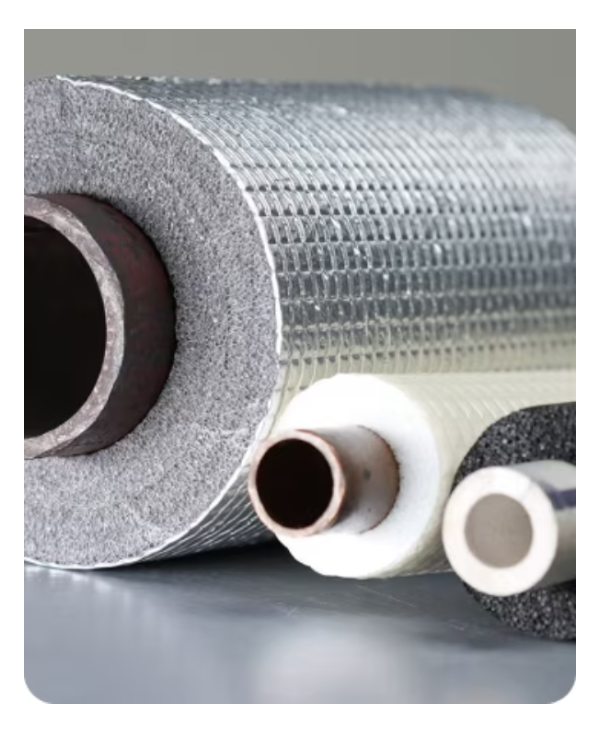
Elastomeric foam is widely used on air-conditioning and refrigeration pipework because it is flexible and offers resistance to water-vapour transmission when properly installed.
Polyurethane and polyisocyanurate insulation are used in cold storage panels and other applications requiring strong thermal performance. Expanded or extruded polystyrene may also be selected for specific insulated structures and building applications.
The appropriate material depends on operating temperature, fire-performance requirements, mechanical exposure, moisture conditions, and the relevant project specification.
Insulation Requirements in Chandigarh Tricity
The hot summer climate across Chandigarh, Mohali, and Panchkula creates a substantial temperature difference between refrigerated surfaces and surrounding air. High humidity during the monsoon further increases the likelihood of surface condensation.
Outdoor insulation needs protection from sunlight, rain, physical impact, and birds. Indoor insulation in kitchens, warehouses, and production areas may require protection against grease, cleaning chemicals, and accidental damage.
How to Determine the Correct Thickness
Required insulation thickness depends on pipe temperature, ambient temperature, humidity, material conductivity, pipe diameter, and whether condensation control or energy conservation is the main objective.
Thin insulation may initially appear economical but can allow surface condensation and greater heat gain. Excessive thickness is not automatically necessary either. Selection should be based on operating calculations, equipment guidance, or project specifications.
Signs That Existing Insulation Needs Replacement
Insulation should be examined when any of the following conditions appear:
- Water droplets on the outer surface
- Damp or soft insulation
- Open seams and joints
- Cracked or missing sections
- Mould or persistent odour
- Ice formation around pipework
- Exposed copper pipes
- Damaged external cladding
- Rising system runtime or energy consumption
Once closed-cell insulation becomes waterlogged or structurally damaged, surface patching may not restore its thermal performance.
Choosing an Insulation Provider
A dependable supplier should ask about the application, pipe size, operating temperature, installation location, and required thickness. Buyers should confirm whether matching adhesive, vapour-sealing tape, protective covering, and fittings are available.
Material dimensions should remain consistent across the order. The insulation’s internal diameter must fit the pipe without being stretched excessively or leaving gaps.
Installation Details That Affect Results
All seams and joints should be closed securely with a compatible adhesive or sealing system. Compression at pipe supports can reduce insulation thickness and create condensation points. Insulated supports may be needed for larger or continuously cold pipelines.
Outdoor sections should receive suitable weather protection. Valves, flanges, and bends must also be insulated carefully without preventing necessary servicing access.
Well-selected insulation helps maintain stable temperatures, control condensation, and reduce the operating load on refrigeration equipment.
For refrigeration and cold storage insulation, contact Mahesh Refrigeration Company for practical product guidance.