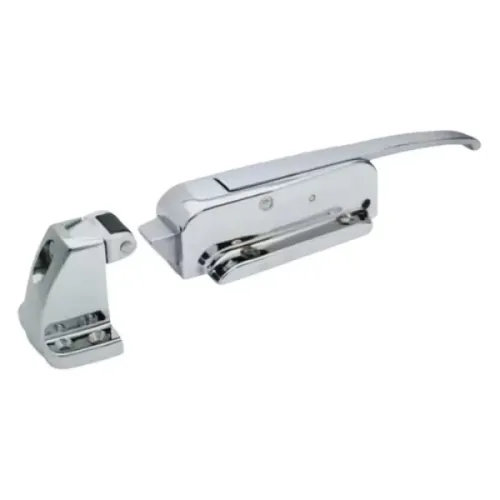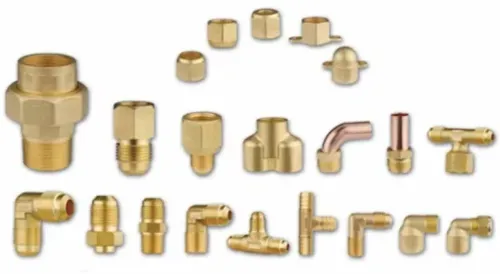
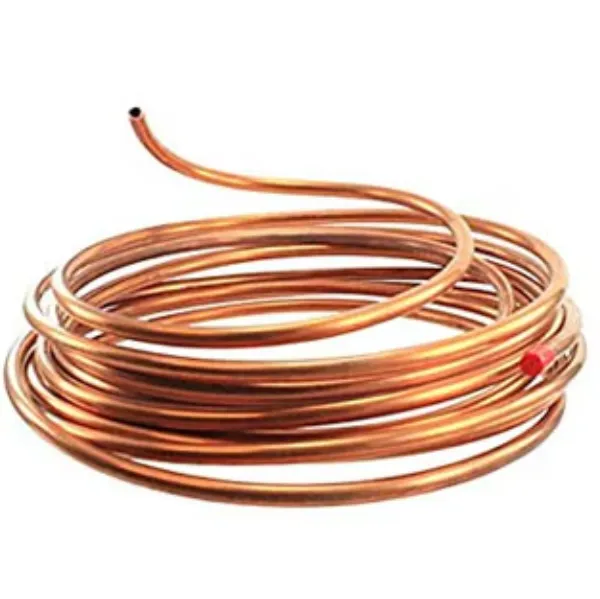
Copper pipes and tubes carry refrigerant between compressors, condensers, expansion devices, and evaporators. Their cleanliness, wall thickness, size, and installation quality directly affect pressure control, oil return, cooling capacity, and system reliability. A pipe that is unsuitable for refrigeration service can create leaks or restrictions even when its external diameter appears correct.
Mahesh Refrigeration Company supplies refrigeration materials for air-conditioning installations, commercial cooling systems, cold rooms, and repair work. Buyers should evaluate copper tubing by application and technical specification rather than purchasing it solely by length or price.
Refrigeration-Grade Copper Versus General-Purpose Copper
Refrigeration-grade copper tubing is produced and packaged to maintain internal cleanliness. Its ends are normally sealed to prevent dust, moisture, and other contaminants from entering before installation.
General plumbing pipes may not meet the same cleanliness, dimensional, or pressure requirements. Refrigeration circuits are particularly sensitive to moisture and particles because contaminants can block expansion devices, damage compressor components, or react with refrigerant oil.
Soft Copper Coils and Hard-Drawn Tubes
Soft annealed copper is supplied in coils and can be bent with suitable tools. It is commonly used in split air-conditioning installations and applications requiring relatively flexible routing.
Hard-drawn copper is supplied in straight lengths. It is frequently selected for commercial refrigeration, plant rooms, and exposed pipe runs where a rigid, neatly supported installation is required.
Neither form is universally superior. Selection depends on pipe diameter, route, system pressure, appearance, support requirements, and installation method.
Choosing Copper Pipes in Chandigarh Tricity
Installations across Chandigarh, Mohali, and Panchkula must cope with high summer temperatures and extended cooling hours. Correct pipe sizing becomes especially important because undersized suction or discharge lines can increase pressure loss and compressor workload.
Outdoor pipe runs also need suitable protection from physical damage, weather exposure, and insulation deterioration. Where pipes pass through walls or shafts, sleeves and supports should prevent abrasion and vibration.
Why Pipe Size Matters
Pipe size should be based on refrigerant flow, line length, vertical rise, cooling capacity, and acceptable pressure drop. Selecting a pipe by matching the existing connection alone may be misleading, particularly when the installation has long runs.
An oversized suction line can reduce refrigerant velocity and interfere with oil return. An undersized line can create excessive pressure drop. Liquid lines, suction lines, and discharge lines each have different sizing considerations.
Quality Checks Before Purchase
Inspect the following details:
- Correct outside diameter and wall thickness
- Clean, sealed tube ends
- Uniform surface without dents or flattening
- Suitable pressure rating
- Traceable product markings where applicable
- Compatibility with the intended fittings
- Proper packaging and storage condition
Coiled tubes should not have sharp kinks. Straight lengths should be handled carefully to prevent bending and internal deformation.
Installation Mistakes That Affect Performance
Using an ordinary saw can leave metal particles inside the tube. A proper tube cutter provides a cleaner cut, although the edge still needs careful deburring without allowing debris to enter.
During brazing, nitrogen purging helps limit internal oxidation. Without it, oxide scale may form inside the pipe and later circulate through the system. Excessive heating can also weaken joints or damage nearby components.
Pipe ends should remain capped until installation. Once connected, the circuit should undergo appropriate pressure testing, leak inspection, evacuation, and charging.
Do Not Overlook Insulation and Supports
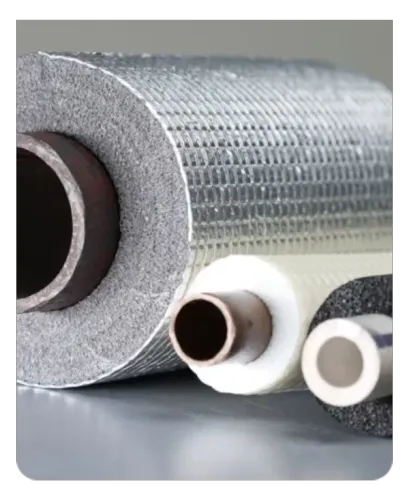
Suction pipes require correctly sized insulation to control heat gain and condensation. Gaps, compressed sections, and unsealed joints reduce insulation performance. External insulation may need additional protection against sunlight and weather.
Pipe supports should hold the line securely without crushing insulation or permitting excessive vibration. Correctly chosen copper tubing, combined with clean installation practices, helps maintain stable refrigeration performance and protects the compressor from avoidable stress.
Keywords