Refrigerant gas is the working fluid that absorbs heat from one area and releases it elsewhere. Its properties directly influence cooling capacity, operating pressure, energy consumption, compressor lubrication, and environmental impact. Selecting refrigerant gases should therefore be based on system design rather than price or immediate availability.
Mahesh Refrigeration Company supplies refrigeration-related products for commercial and industrial applications across Chandigarh, Mohali, and Panchkula. For equipment owners and service technicians, understanding basic refrigerant classifications makes servicing and purchasing decisions more dependable.
Common Refrigerant Categories
Refrigerants used in air-conditioning and refrigeration systems generally fall into several categories.
HFC Refrigerants
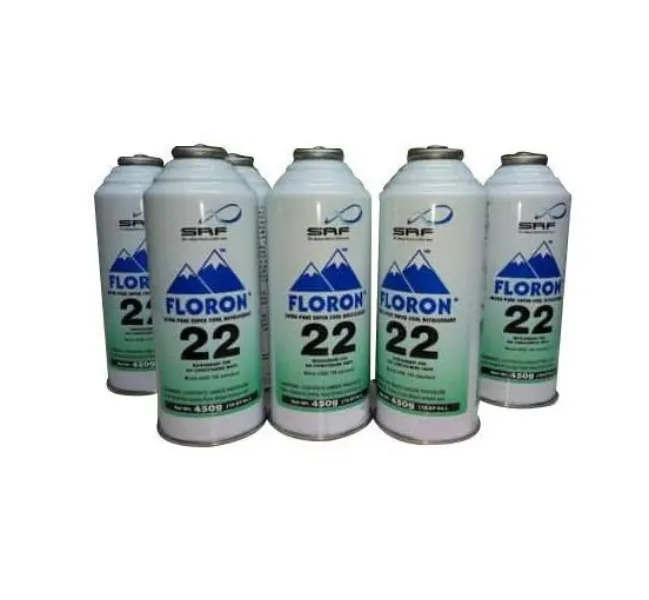
Hydrofluorocarbon refrigerants have been widely used in air conditioners, chillers, refrigerators, and commercial refrigeration systems. Examples include R134a, R32, R404A, and R410A, although their suitability varies significantly by application.
Each refrigerant operates at a specific pressure and requires compatible components and lubricants. Refrigerants within this category are not automatically interchangeable.
Hydrocarbon Refrigerants
Hydrocarbons such as R290 and R600a are used in selected refrigerators, freezers, display cabinets, and other purpose-designed equipment. They can provide efficient cooling but are flammable, so systems must be serviced using appropriate tools, procedures, ventilation, and safety controls.
Natural Refrigerants
Ammonia and carbon dioxide are common natural refrigerants in particular commercial and industrial applications. Ammonia is frequently associated with large cold stores, food processing facilities, and industrial plants. Carbon dioxide systems require components designed for their distinct pressure conditions.
Why Refrigerants Cannot Be Changed Casually
Replacing the specified refrigerant with another gas can affect:
- System operating pressure
- Compressor discharge temperature
- Cooling capacity
- Expansion valve performance
- Lubricant circulation
- Seal and gasket compatibility
- Electrical power consumption
Even when two refrigerants are used for similar applications, their thermodynamic properties may differ. A conversion should involve a complete technical assessment rather than simply removing one gas and charging another.
How to Identify the Correct Refrigerant
The equipment nameplate is usually the first source of information. It may show the refrigerant designation and factory charge quantity. Service records can reveal whether the system has previously been converted or repaired.
Technicians should also examine compressor details, expansion devices, oil type, and operating pressures. In Chandigarh Tricity, cooling equipment experiences high ambient temperatures during summer, making correct refrigerant charging and condenser performance especially important.
The Importance of Refrigerant Purity
Contaminated or mixed refrigerant can create unstable pressures, reduce heat transfer, and damage internal components. Moisture inside the circuit may react with refrigerant and oil, leading to acid formation, corrosion, or insulation failure within a hermetic compressor.
Refrigerant cylinders should have clear identification and secure valve protection. Gas should never be transferred into an unidentified cylinder. Dedicated recovery cylinders and appropriate handling equipment are essential for preventing cross-contamination.
Signs of an Incorrect Refrigerant Charge
Both undercharging and overcharging can reduce cooling performance. Possible warning signs include:
- Long equipment running cycles
- Inadequate cooling
- Frost at unusual points
- High power consumption
- Abnormal suction or discharge pressure
- Compressor overheating
- Repeated safety cut-outs
These symptoms can also arise from airflow restrictions, blocked filters, faulty controls, or component failure. Pressure readings alone should not be used without evaluating temperature, superheat, subcooling, and system design.
Responsible Handling Matters
Refrigerant should be recovered rather than released during service work. Technicians need suitable gauges, recovery equipment, vacuum pumps, leak-detection tools, and personal protective equipment. Flammable or high-pressure refrigerants demand additional precautions.
Correct refrigerant selection supports reliable cooling and protects expensive system components. It also reduces the possibility of repeat gas charging when the real problem is an unresolved leak, incorrect repair, or unsuitable refrigerant.
Keywords