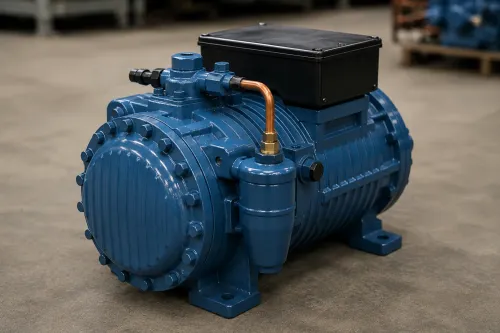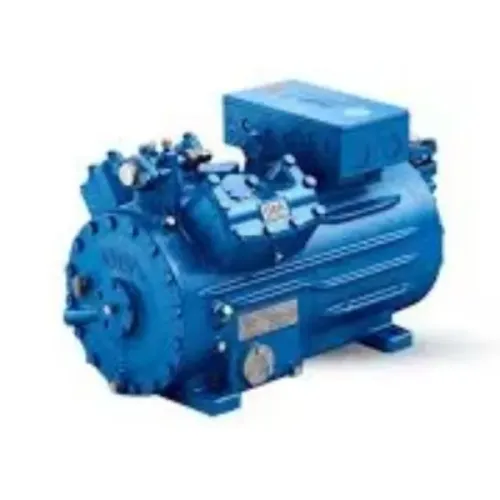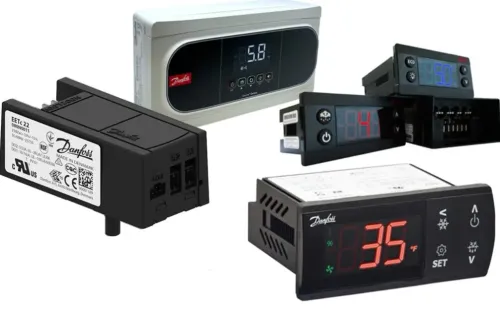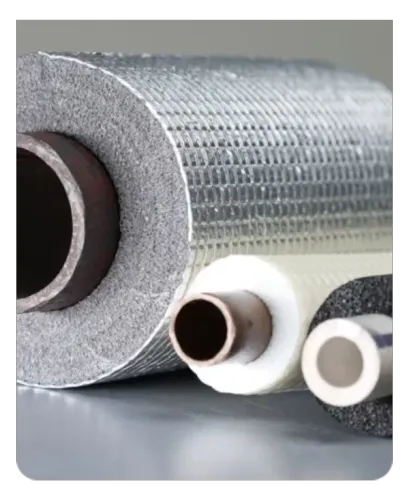
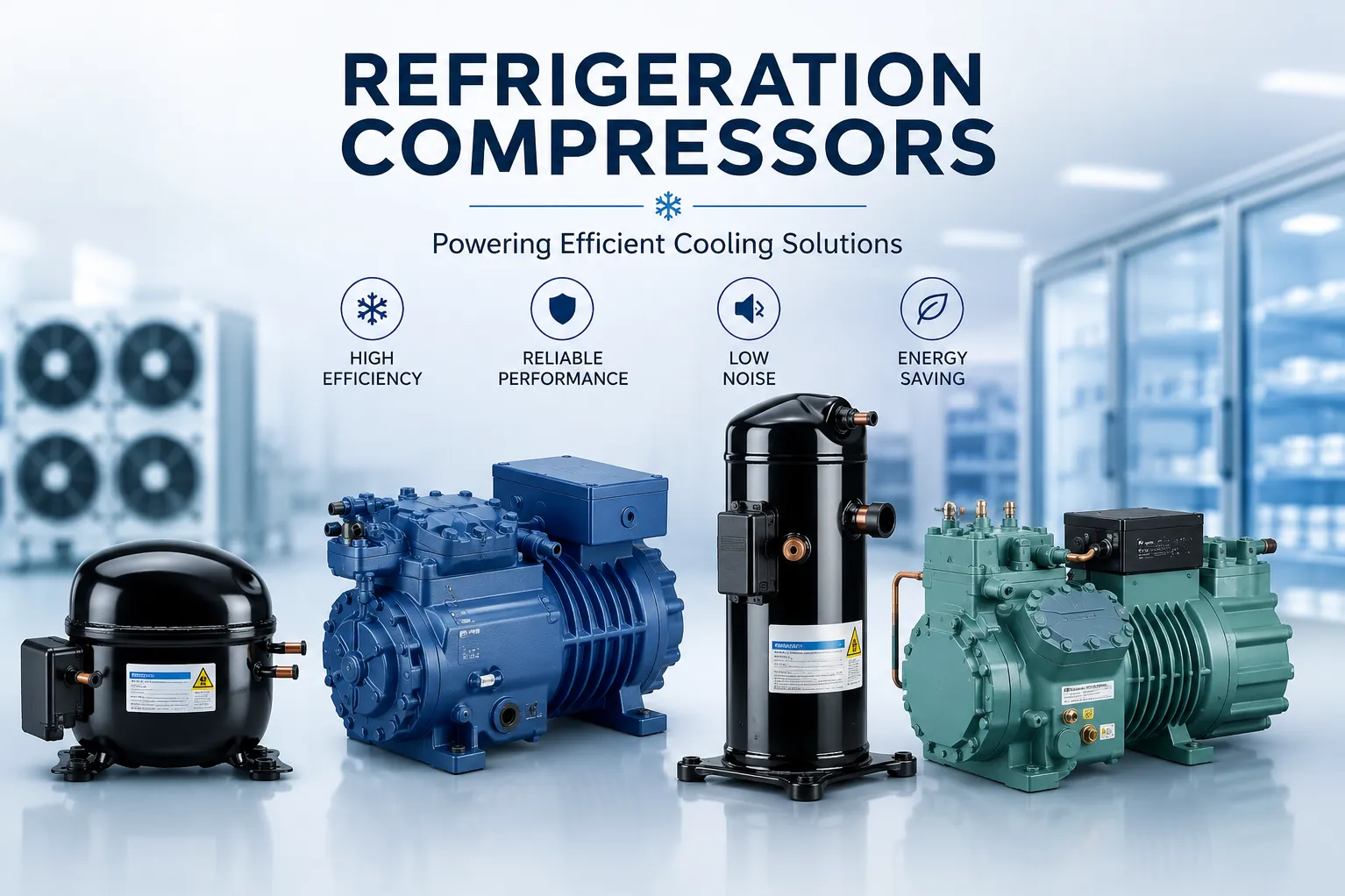
The compressor is often described as the heart of a refrigeration system because it keeps refrigerant circulating between the low-pressure and high-pressure sides. It draws refrigerant vapour from the evaporator, compresses it, and sends it towards the condenser. Its design and capacity influence cooling performance, noise, energy use, and maintenance requirements.
Mahesh Refrigeration Company supports refrigeration requirements across Chandigarh Tricity, where compressors are used in retail stores, restaurants, hotels, cold rooms, food businesses, healthcare facilities, and industrial plants. Understanding the main compressor types makes it easier to interpret system designs and operating problems.
Reciprocating Compressors
A reciprocating compressor uses pistons moving inside cylinders. As a piston moves down, refrigerant vapour enters through a suction valve. When the piston moves upward, the vapour is compressed and discharged at a higher pressure.
These compressors are used in many small, medium, and large refrigeration applications. Depending on the design, they may be hermetic, semi-hermetic, or open-type units.
Their strengths include established technology, service familiarity, and suitability for a wide range of operating conditions. However, they contain several moving parts and can produce more vibration than some rotary designs.
Rotary Compressors
Rotary compressors compress refrigerant through a rotating mechanism rather than a piston arrangement. They are common in room air conditioners and compact cooling equipment.
Their compact size and relatively smooth operation make them suitable for applications where space and noise matter. The exact operating range depends on the compressor design and specified refrigerant.
Scroll Compressors
Scroll compressors use two spiral-shaped scrolls. One remains stationary while the other moves in an orbital path, gradually compressing pockets of refrigerant vapour towards the centre.
They are widely used in air-conditioning systems, heat pumps, chillers, and commercial refrigeration equipment. Scroll units generally provide smooth operation, lower vibration, and good efficiency. They are designed with close internal tolerances, making clean installation practices and proper refrigerant charging essential.
Screw Compressors
Screw compressors use intermeshing rotors to compress refrigerant continuously. They are normally found in larger commercial and industrial systems, including process cooling, cold storage, and central chilling plants.
They are well suited to applications with substantial cooling demand and long operating hours. Capacity control options can help match output with changing load, although system design and maintenance require specialised knowledge.
How Compressor Enclosures Differ
Compressors are also classified by how the motor and compression mechanism are enclosed:
- Hermetic compressors: The motor and compressor are sealed inside a welded casing. They are commonly used in refrigerators, freezers, display cabinets, and smaller air-conditioning systems.
- Semi-hermetic compressors: The casing can be opened for internal inspection and repair. These are frequently used in commercial refrigeration and medium-capacity systems.
- Open compressors: The motor is outside the compressor body and connected through a shaft. These designs appear in selected industrial and specialised applications.
What Determines the Correct Compressor?
A refrigeration compressor should be selected by more than horsepower. Important factors include refrigerant type, evaporating temperature, condensing temperature, cooling capacity, electrical supply, oil specification, displacement, and starting requirements.
A compressor designed for medium-temperature display refrigeration may not be suitable for a low-temperature freezer. In the Chandigarh region, high summer temperatures can raise condensing pressure, so adequate condenser capacity and ventilation are essential.
Common Causes of Compressor Failure
A failed compressor may be the result of another system fault. Frequent causes include refrigerant leakage, poor oil return, liquid refrigerant entering the compressor, overheating, voltage fluctuations, blocked condensers, contamination, and incorrect charging.
Replacing the compressor without correcting the original problem can lead to another failure. Proper diagnosis should cover electrical readings, operating pressures, temperatures, airflow, oil condition, controls, and refrigerant circuit cleanliness.
Understanding compressor types and operating requirements helps facility managers and technicians make informed maintenance decisions. The right refrigeration compressor, supported by correct installation and stable operating conditions, provides dependable cooling and a longer service life.
Keywords